
Interactive online entertainment has become one of the most powerful digital trends in the modern world. Over the last decade, millions of people have shifted from passive forms of entertainment toward more immersive online experiences that combine interaction, excitement, and instant accessibility. From online gaming platforms and live streams to mobile entertainment apps and virtual communities, digital interaction now plays a major role in everyday life. At the same time, internet searches related to judi slot88 continue growing as users explore various forms of online entertainment during their free time.
One reason interactive entertainment has become so popular is because it creates a stronger emotional connection than traditional media. Watching television or reading static content often feels passive, while interactive platforms allow users to participate directly in the experience. This sense of involvement stimulates the brain differently and creates higher levels of engagement.
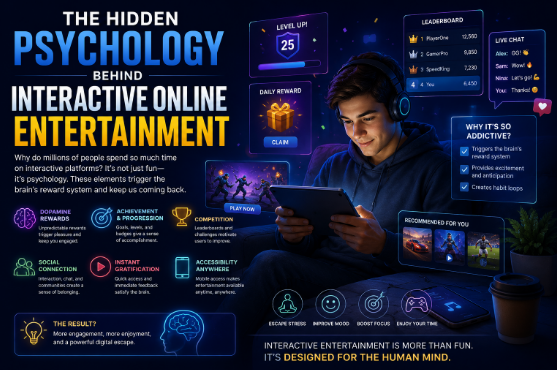
Psychologists often explain that the human brain naturally responds positively to activities involving rewards, unpredictability, and achievement. Interactive online platforms are specifically designed around these psychological triggers. Features such as progress systems, unlockable rewards, rankings, achievements, and real-time interaction encourage users to stay engaged for longer periods.
Another major factor is instant gratification. Modern internet culture revolves around speed and convenience. People want quick access to entertainment without complicated processes or long waiting times. Online platforms satisfy this demand by providing immediate experiences directly through smartphones, tablets, and computers.
This convenience becomes especially attractive in today’s fast-paced world where many people experience stress, work pressure, and mental fatigue. Interactive entertainment offers a temporary escape that feels accessible and easy to enjoy. Even short periods of entertainment can help users relax and mentally disconnect from daily responsibilities.
Social interaction also plays an important role in the psychology of online entertainment. Unlike traditional media, modern platforms often include live chats, multiplayer systems, online communities, and social sharing features. These systems create a sense of belonging and connection that keeps users emotionally invested.
Humans are naturally social creatures, and digital communities provide opportunities to interact with others who share similar interests. Whether through gaming groups, livestream audiences, online forums, or virtual events, people enjoy participating in environments where they feel included and understood.
The rise of mobile technology has accelerated this trend dramatically. Smartphones allow users to access entertainment anytime and anywhere, transforming online interaction into a constant part of modern lifestyle habits. Waiting rooms, public transportation, lunch breaks, and evenings at home have all become moments where digital entertainment fits naturally into daily routines.
Personalization is another powerful psychological factor driving engagement. Modern entertainment platforms use advanced algorithms and artificial intelligence to recommend content based on user behavior and preferences. This creates highly customized experiences that feel personally relevant to each individual user.
When people repeatedly encounter content that matches their interests, they are more likely to continue using the platform. Personalized recommendations increase emotional satisfaction because users feel the platform “understands” what they enjoy.
Competition and achievement systems also strongly influence user behavior. Many interactive platforms use leaderboards, challenges, badges, and progression systems to encourage continued participation. Achieving goals within digital environments activates reward centers in the brain, creating feelings of satisfaction and accomplishment.
Interestingly, the psychology behind interactive entertainment is similar to the appeal of traditional hobbies and games throughout history. Humans have always enjoyed activities involving competition, rewards, exploration, and social interaction. Digital platforms simply modernize these experiences using technology and internet connectivity.
Streaming culture has also transformed how people consume entertainment. Platforms such as YouTube, Twitch, TikTok, and live gaming services allow users to interact directly with creators and audiences in real time. This level of participation creates stronger emotional engagement compared to traditional one-way media.
Many experts believe the future of online entertainment will become even more immersive as technology continues evolving. Virtual reality, augmented reality, and AI-driven systems are expected to create highly interactive digital environments that blur the line between physical and virtual experiences.
At the same time, maintaining balance remains important. While online entertainment can provide relaxation and enjoyment, healthy digital habits are necessary to avoid excessive screen time and unhealthy dependence on constant stimulation. Responsible usage helps ensure entertainment remains positive and beneficial.
Businesses and entertainment companies continue investing heavily in interactive systems because user engagement directly influences platform growth and profitability. As competition increases, companies constantly develop new features designed to capture attention and improve user retention.
Ultimately, the growing popularity of interactive online entertainment reflects deeper psychological patterns connected to human behavior. People naturally seek stimulation, achievement, connection, and relaxation, and modern digital platforms provide all of these experiences within a single environment.
As technology continues advancing, interactive entertainment will likely become even more integrated into everyday life. The combination of accessibility, personalization, social interaction, and emotional engagement ensures that digital entertainment will remain one of the most influential aspects of modern internet culture for years to come.